Why Winter Is the Worst Season for Indoor Air Quality
Why Indoor Air Quality Gets Worse in Winter
Indoor air quality is often worse in winter because homes are sealed tightly and heating systems recirculate the same air repeatedly. With less fresh air entering the home, dust, allergens, and stale air build up faster, making indoor spaces feel heavier and less comfortable. These conditions are especially noticeable during prolonged cold weather when ventilation is limited.
Why Winter Changes the Air Inside Your Home
During the warmer months, most homes naturally “breathe.” Windows get opened, doors open and close more often, and fresh air has a way of moving in and out without much effort.
Once winter arrives, that natural airflow slows way down.
To keep heat inside, homes are sealed as tightly as possible. While that’s great for energy efficiency, it also means the same indoor air keeps circulating through the house day after day, with very little fresh air replacing it.
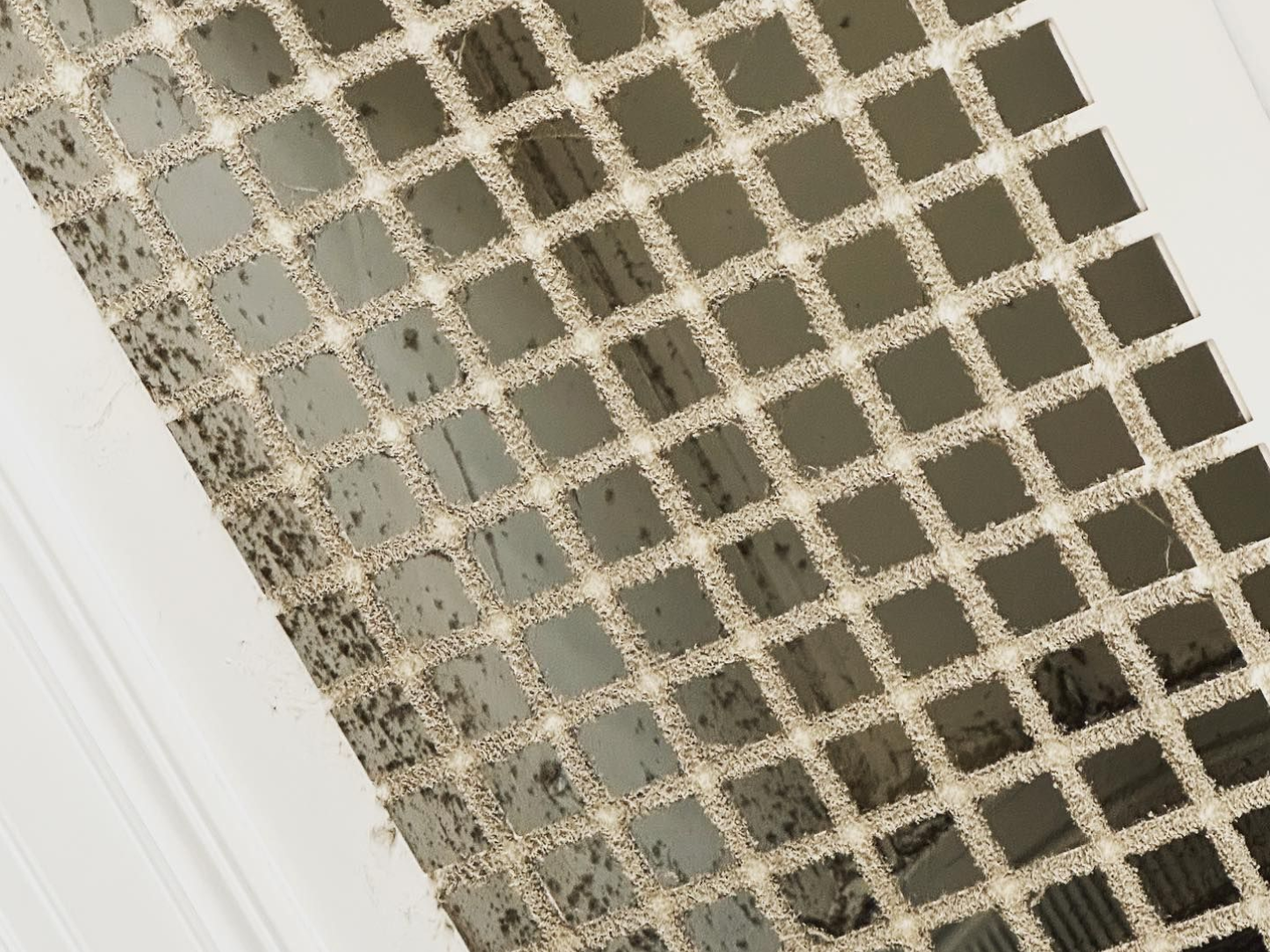
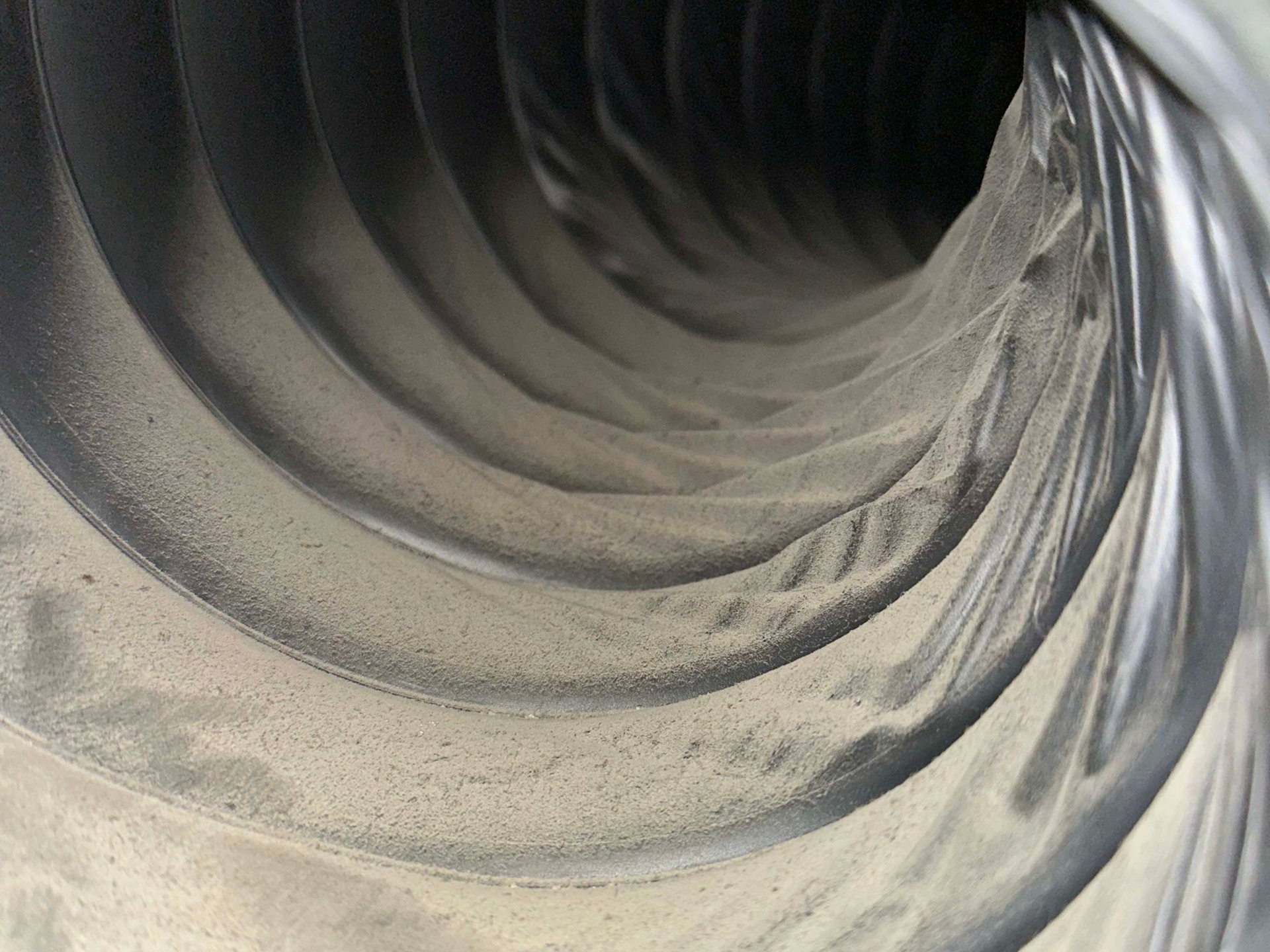
That trapped air doesn’t just disappear. It carries everyday things like dust, pet dander, allergens, and household odors that don’t easily work their way out.
Over time, those particles build up inside the home instead of being carried away, which is why indoor air can start to feel heavier and less comfortable as winter goes on.
How Heating Systems Affect Indoor Air Quality
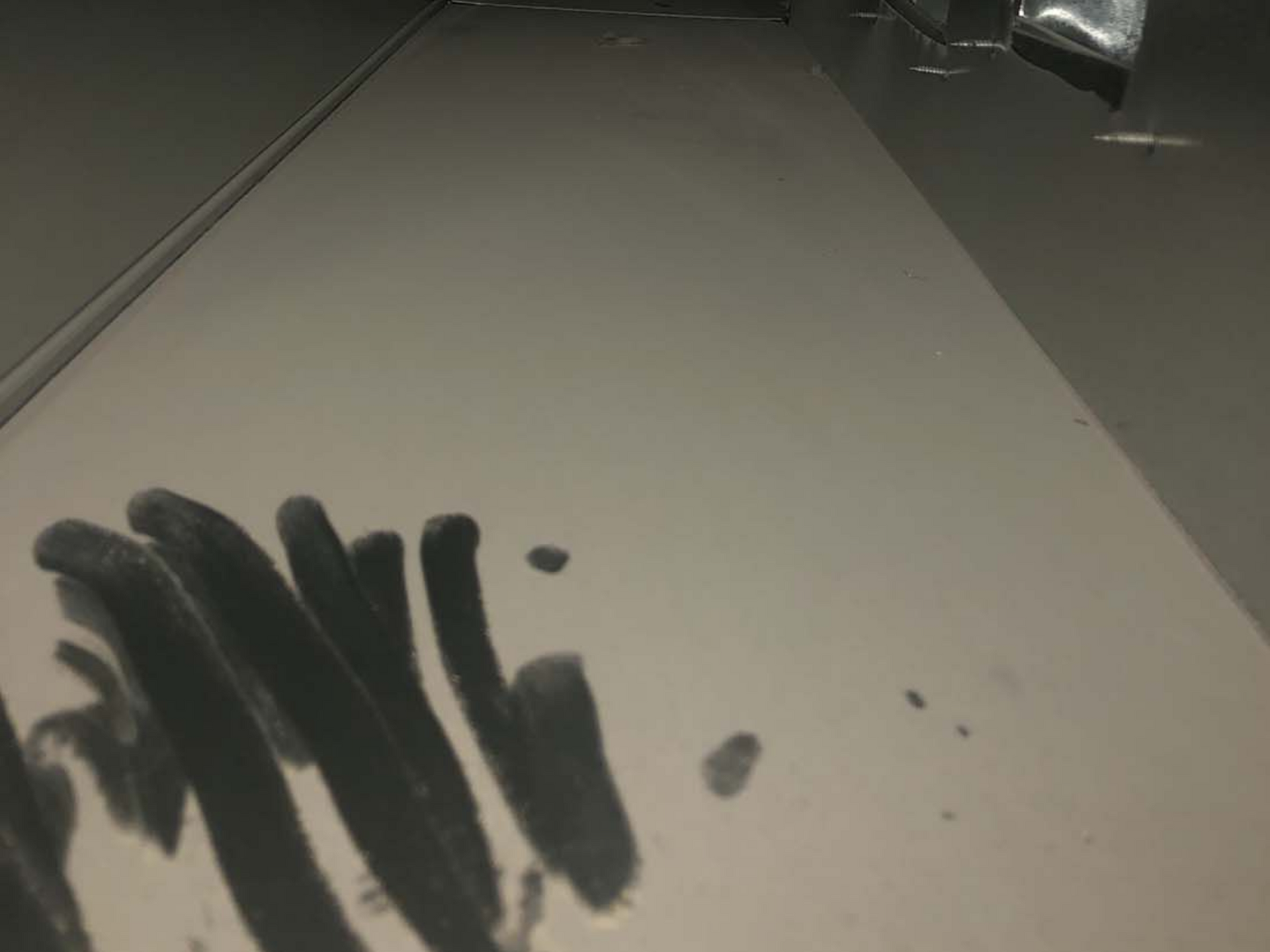
Once the heat is on, it runs often—and sometimes constantly. Heating systems don’t just warm air. They move air throughout the home. As that air circulates, it picks up particles and redistributes them into living spaces.
This is why many homeowners notice:
- Air feeling heavier or drier
- Dust returning quickly
- Odors lingering longer than usual
It’s not that winter creates dirt—it amplifies what’s already there.
Why Indoor Air Feels “Stale” in Cold Weather
Fresh air plays a bigger role in comfort than most people realize.
In winter:
- Ventilation is reduced
- Air exchange slows down
- Moisture levels change
- Particles stay suspended longer
Without fresh air cycling through, indoor spaces can start to feel stale, even if they’re tidy.
This is especially noticeable in:
- Bedrooms
- Living rooms
- Basements
- Offices and shared workspaces
The Role of Soft Surfaces in Winter Air Quality
Carpets, rugs, upholstered furniture, and fabric surfaces do more than affect how a room looks. They also hold onto particles.
In winter, when air circulation increases and ventilation decreases, these soft surfaces can trap:
- Dust
- Allergens
- Odors
That buildup doesn’t always show right away—but it can affect how the air feels throughout the home.
Why Winter Air Quality Affects Comfort (Not Just Cleanliness)
Poor indoor air quality isn’t always obvious.
Instead of looking dirty, homes often feel:
- Less breathable
- Slightly irritating to the nose or throat
- Less comfortable to spend time in
Many people assume this is “just winter,” but in reality, it’s a result of how winter changes indoor environments.
Understanding Winter Is the First Step
Winter doesn’t introduce new problems as much as it magnifies existing ones. Dust, allergens, and stale air that were manageable in warmer months become harder to ignore when homes are closed up and heating systems run daily.
Understanding why winter affects indoor air quality helps you make informed decisions—without pressure—about what makes sense for your home or business.
Winter changes how air behaves indoors, and once you understand why your home feels different, it becomes much easier to tell what’s normal for the season and what might be worth paying attention to as winter goes on.
We hear this a lot from homeowners who reach out to us. One recent customer put it simply:
“We didn’t realize how much the air in our house had changed during the winter until it was explained to us. Everything felt noticeably fresher afterward.”
Sometimes, just understanding what’s happening inside your home is the first step toward feeling more comfortable again.
For more information on indoor air quality or air duct cleaning services contact us at (631) 560-8999 or request an estimate.
Why does indoor air quality get worse during winter?
Winter homes are sealed tighter, and heating systems recirculate the same air repeatedly. This allows dust, allergens, and stale air to build up instead of being ventilated out.
Can poor indoor air quality make a home feel uncomfortable in winter?
Yes. Poor indoor air quality can make a home feel heavier, drier, or stuffy, often leading to irritation, lingering odors, or allergy-like symptoms during colder months.
Winter Indoor Air Quality FAQ's
Your Top Rated Cleaning Specialists
"We guarantee the most thorough cleaning ever, all with zero hidden fees"
Schedule Your Free Estimate
Tell Us A Little About Your Cleaning Needs At Your Home Or Business