Why Does My Siding Look Green?
If you've stepped outside recently and noticed your siding has turned green — or that dull, streaky, discolored look that seems to creep in no matter how often you try to ignore it — we want you to know something first: you're not alone, and it's not a reflection of how well you take care of your home.
Green siding is one of the most common things we see across Suffolk County, Long Island, and it happens to well-maintained homes just as often as neglected ones. The good news is that it's completely fixable — and once you understand what's causing it, it's also preventable. We've been helping homeowners across Long Island deal with exactly this problem since 2006, and we'd like to walk you through what's really going on.
What Is That Green Stuff on My Siding?
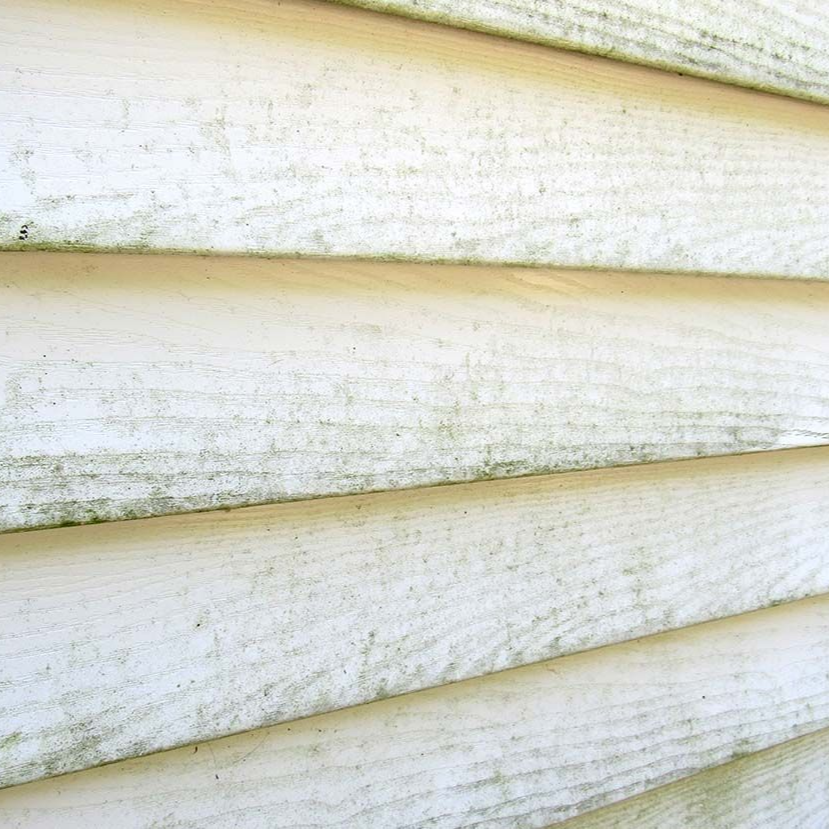
The short answer: it's algae. Specifically, it's a form of green or blue-green algae — the same organism that turns ponds green in summer — that thrives on damp surfaces. Siding provides an ideal environment for it to grow, especially in areas with shade, moisture, or limited direct sunlight.
In some cases, what looks green may also include mold, mildew, or a combination of all three. They often appear together and are caused by the same underlying conditions. Left untreated, they spread across the surface, work their way into seams and crevices, and become harder to remove the longer they sit.
We understand how frustrating it is to look at your home and feel like it's lost the clean, sharp appearance it once had. That creeping green film can make even a well-kept property look worn down — and that feeling of embarrassment when guests or neighbors walk by is something we hear from homeowners all the time. It doesn't have to stay that way.
Why Is It Happening to My Home?
Long Island's climate is one of the main reasons this problem is so common here. Suffolk County gets significant humidity throughout spring and summer, and our neighborhoods are full of mature trees that cast shade across homes for much of the day. That combination — moisture plus shade — is exactly what algae needs to take hold and spread.
Here are the most common reasons siding turns green on Long Island homes:
Shaded areas that stay damp. The north-facing sides of homes, areas under tree canopies, and spots near gutters or downspouts tend to dry slowly after rain. Algae moves in quickly when a surface stays wet for extended periods. If you've noticed the green buildup is worse on one side of your house than the other, this is almost certainly why.
Humidity and seasonal moisture. Spring and early summer bring warm, humid conditions that are prime growing season for algae. What looked clean in October can look noticeably green by May — sometimes seemingly overnight. Suffolk County's proximity to the water only adds to the ambient moisture in the air.
Porous or textured siding surfaces. Certain siding materials — older vinyl, wood, fiber cement, and cedar shake — have more surface texture for algae to grip onto. Smooth surfaces shed moisture faster; textured ones hold it, giving algae more time to establish itself.
Gutters that aren't draining properly. Clogged or overflowing gutters send water running down the side of your home instead of away from it. That constant moisture creates a trail that algae follows right down the face of your siding. If your green discoloration runs vertically from the roofline, this is a likely contributing factor.
Is Green Siding Just a Cosmetic Problem?
We hear this question a lot, and we want to be straightforward with you: no, it's not just cosmetic. While the appearance is what most homeowners notice first — and it genuinely does affect your home's curb appeal — algae and mold on siding can cause real problems if left untreated.
Over time, biological growth breaks down the surface of your siding. It can accelerate the deterioration of protective finishes, create conditions for moisture to work its way into seams and behind panels, and — in more advanced cases — contribute to mold growth that spreads beyond the surface of the siding itself. We've worked with homeowners in Suffolk County who waited too long and ended up dealing with more than just a dirty exterior.
The earlier you address it, the easier and less expensive the fix. A home that gets cleaned regularly stays cleaner longer — because fresh, treated siding doesn't give algae the same foothold as a surface that's been accumulating buildup for years.
What's the Right Way to Clean Green Siding?
This is where it's worth slowing down and being careful — because the wrong cleaning method can damage your siding while doing little to actually solve the problem.
High-pressure washing is often the first thing homeowners reach for, and we understand the instinct. It looks powerful, and it can blast visible surface buildup off quickly. The problem is that pressure alone doesn't treat the algae — it removes what's visible on the surface while leaving the root growth behind, which means it comes back faster than it should. Worse, high pressure on vinyl or wood siding can force water behind panels, crack seams, and strip protective finishes that were designed to extend the life of your siding.
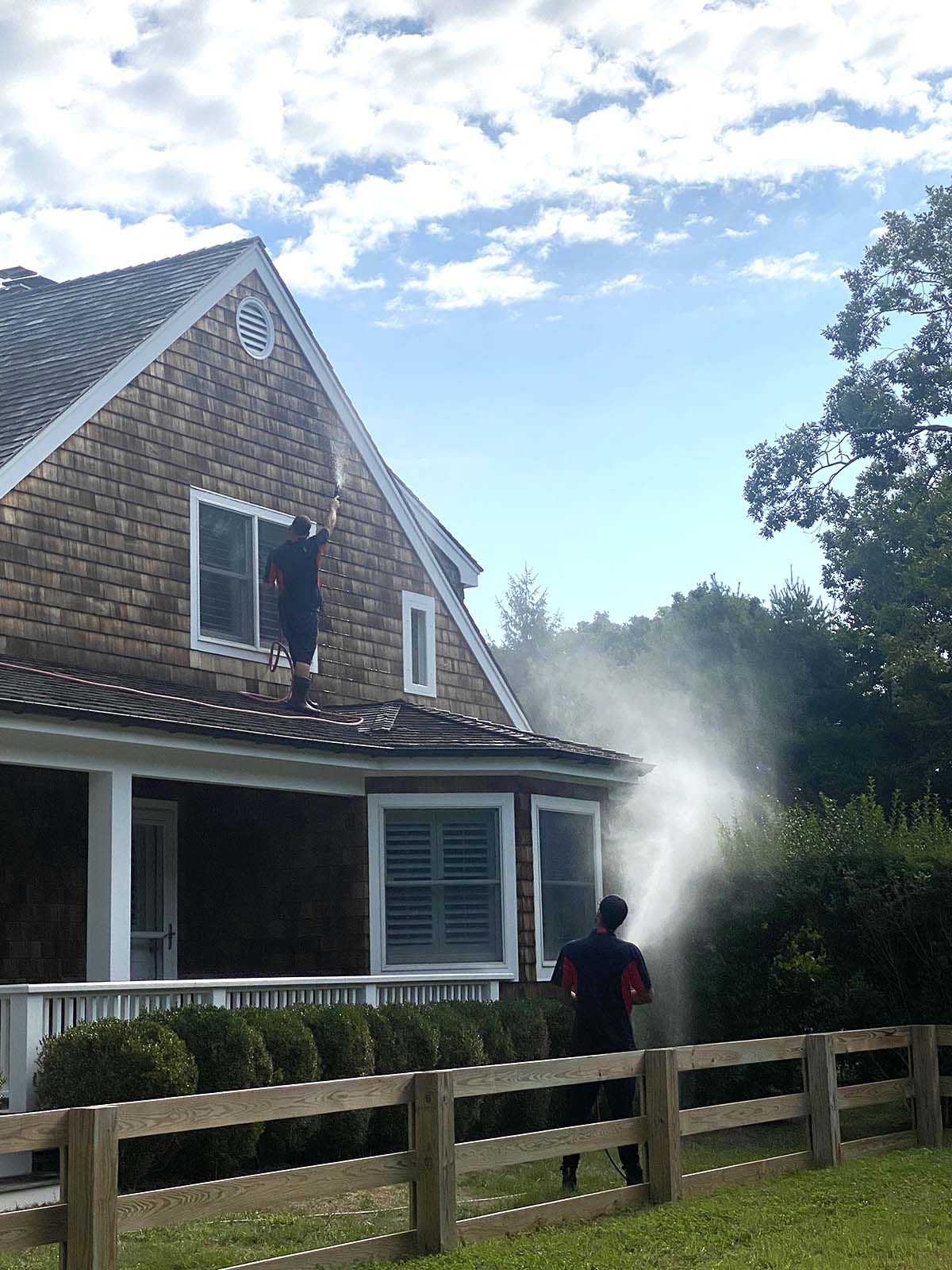
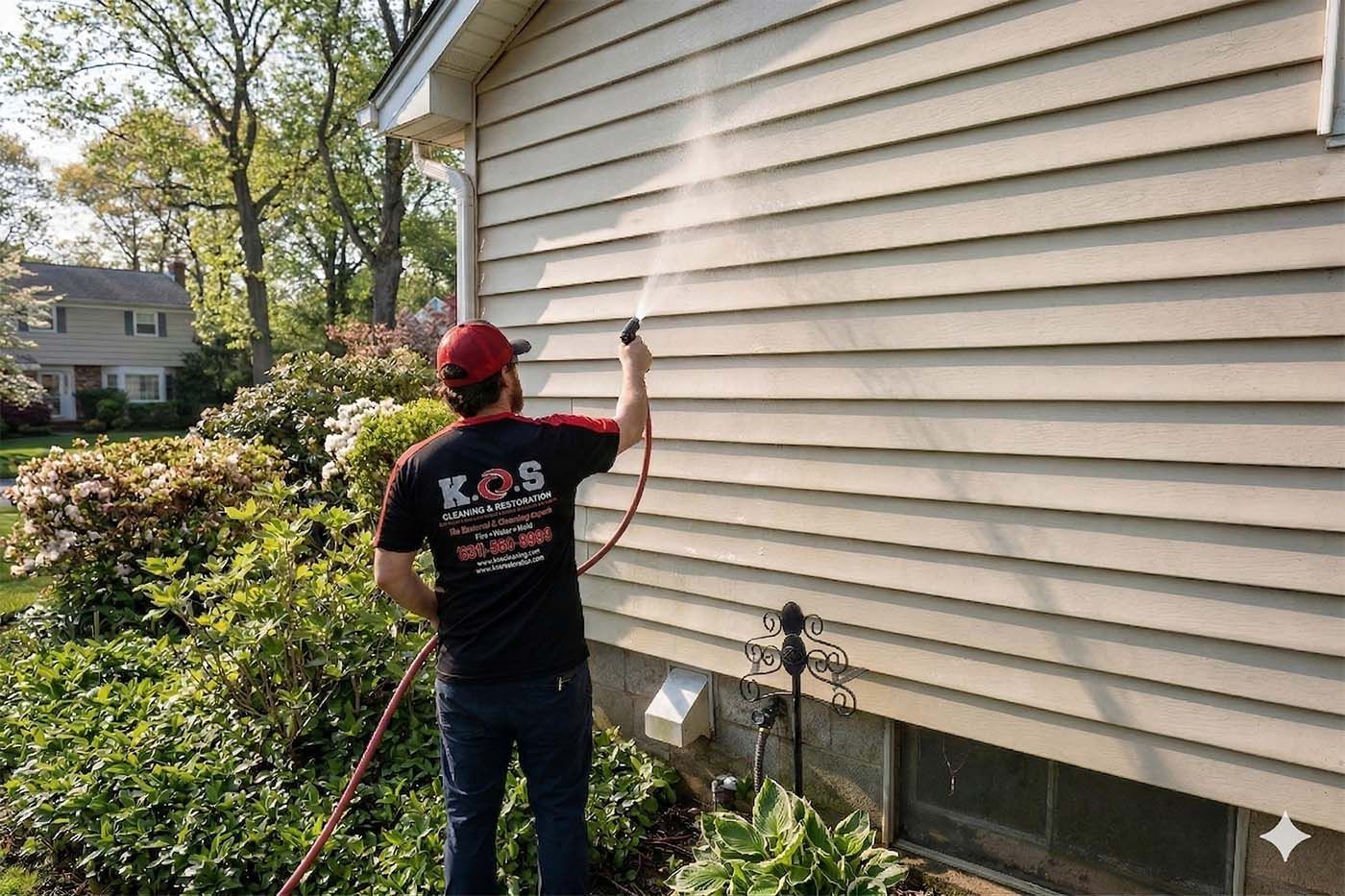
The method we use — and the one that consistently delivers the best results for Long Island homes — is soft washing . Soft washing uses low pressure combined with professional-grade cleaning solutions that are designed to break down and kill algae, mold, and mildew at the source . It cleans more thoroughly than pressure alone, it's safe for all siding types, and it produces results that last significantly longer because the biological growth is treated, not just blasted off.
After nearly 20 years of cleaning siding across Suffolk County, soft washing is consistently what we recommend for green siding — and it's what we use on every job.
How Long Will It Stay Clean After Treatment?
That depends on a few factors — the amount of shade on your home, your proximity to trees and water, and the type of siding you have. Most homes in Suffolk County that receive professional soft washing stay noticeably clean for one to two years. Homes with heavier shade or more moisture exposure may need attention annually.
The key thing to understand is that professional cleaning with proper treatment extends the clean period significantly compared to DIY methods. When the algae is fully treated at the source, it takes much longer to re-establish. Many of our customers in Suffolk County schedule annual or biannual exterior cleanings as part of their regular home maintenance — and they consistently tell us it's one of the things that makes the biggest visible difference to their home's appearance.
Serving Homeowners Across Suffolk County, Long Island
We know how much pride Long Island homeowners take in their properties. We also know how disheartening it is to watch green buildup creep across your siding season after season and feel like there's no lasting fix. There is — and we'd genuinely love to help.
K.O.S. Cleaning has been serving homes and businesses across Suffolk County, Long Island since 2006. We are locally owned, top-rated, and we back every job with our guarantee: the most thorough cleaning ever, with zero hidden fees. Whether you're seeing the first signs of green buildup or dealing with siding that's been discolored for years, we can restore it safely and effectively.
Call us at (631) 560-8999 or request a free estimate below. We serve all of Suffolk County and respond quickly — especially in spring when demand for exterior cleaning picks up across Long Island.
Frequently Asked Questions
Why is the green worse on one side of my house?
Almost always because that side gets less direct sunlight and stays damp longer after rain. North-facing walls and areas under tree coverage are the most common spots for heavy algae growth on Long Island homes.
Will rain wash the green siding off on its own?
Unfortunately no — rain actually makes it worse by adding more moisture. Algae thrives in wet conditions and uses rainwater to spread further across the surface.
Can I clean green siding myself?
DIY cleaning can remove some surface buildup, but without professional-grade solutions the algae typically comes back quickly. Rental pressure washers also carry a real risk of siding damage if not used correctly. Professional soft washing treats the growth at the source and produces results that last significantly longer.
How often should siding be professionally cleaned on Long Island?
Most Suffolk County homes benefit from professional exterior cleaning once a year, particularly in spring before algae season peaks. Homes with heavier shade or tree coverage may need more frequent attention.
Does green siding mean my home has mold?
Green discoloration is most commonly algae, but mold and mildew are often present alongside it. A professional assessment can tell you exactly what you're dealing with and recommend the appropriate treatment.
Your Top Rated Cleaning Specialists
"We guarantee the most thorough cleaning ever, all with zero hidden fees"
Schedule Your Free Estimate
Tell Us A Little About Your Cleaning Needs At Your Home Or Business